10 Things to Do Now to Get Your Home Ready for Winter

The days are getting shorter, the temperature is starting to drop and winter will soon be here.

With colder weather comes increased energy use, as we spend more time at home and turn our heating back on. But a little preparation now can help you stay warm, keep your home running smoothly and make the most of your energy this winter.

Here are 10 things you can do now to get winter-ready.
couple checking their energy tariff

1. Check your energy tariff

Before winter arrives, take a look at your current energy tariff.

If you're on a standard variable tariff, check whether there are other options available to you. A fixed tariff could give you more certainty over your energy prices, while some smart tariffs offer cheaper electricity at particular times of day.

With energy use typically increasing over winter, it's worth making sure your tariff works for the way you use energy.
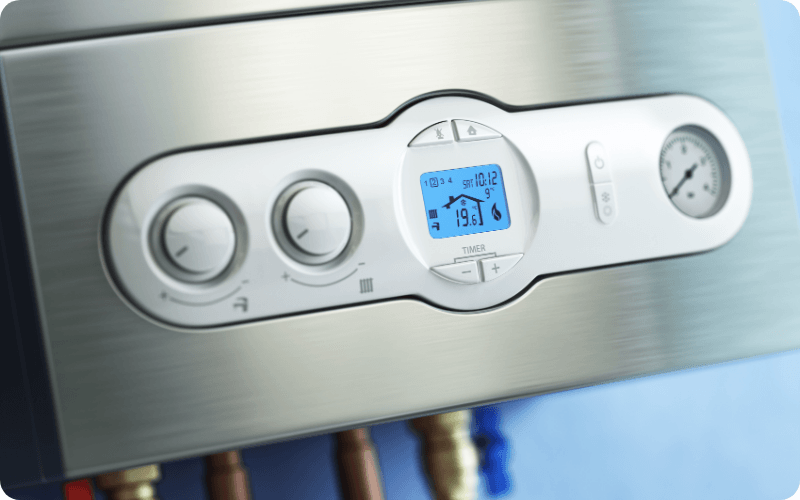
Boiler in UK home

2. Give your boiler a check-up

The last thing you want is for your heating to stop working on the coldest day of the year.

If your boiler has been switched off over the summer, turn it on briefly and make sure everything is working as it should. If you haven't had your boiler serviced this year, now is a good time to arrange it. Getting it checked before winter could also help you avoid having to wait for an engineer during a busy cold spell.
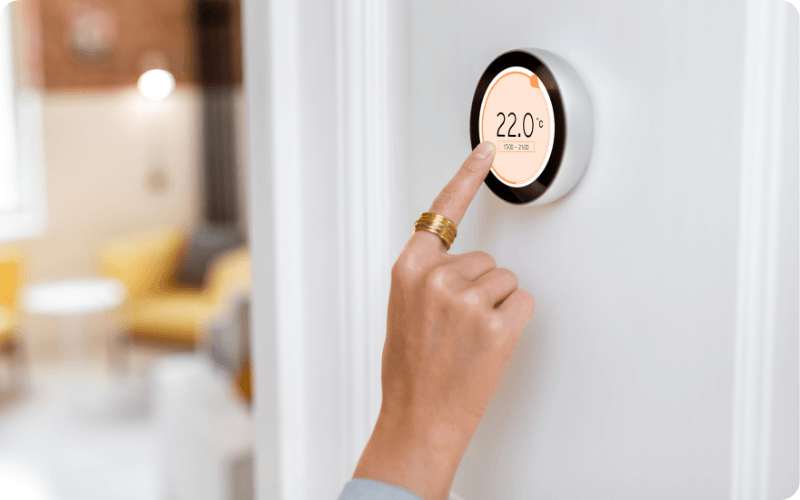
person checking their home temperature setting

3. Check your heating controls

Make sure you know how your thermostat, programmer and thermostatic radiator valves (TRVs) work before you need them every day.

Set your heating schedule around your routine so you're not heating an empty home. Your thermostat should generally be set to the lowest comfortable temperature – for most people, that's between 18°C and 21°C.
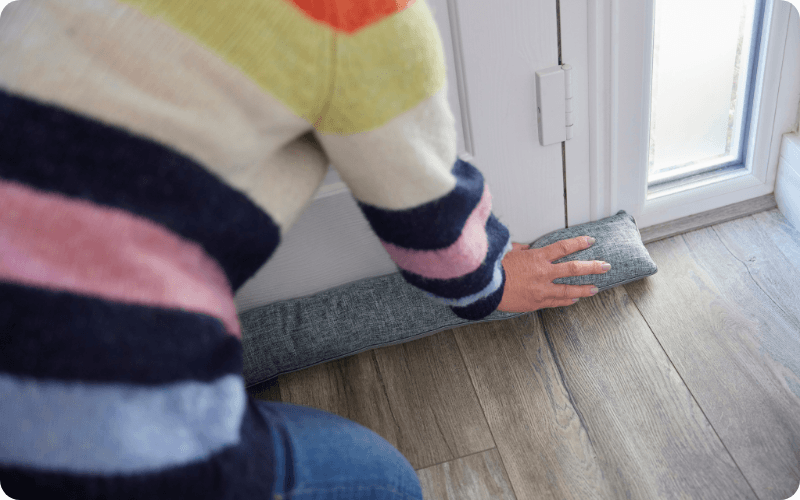
person putting draught excluder down

4. Draught-proof your home

Draughts can make a room feel colder and increase the amount of energy needed to keep it warm.

Check around windows, doors and floors for unwanted gaps and consider using draught excluders or sealant where appropriate.

Just remember that ventilation is important too. Don't block trickle vents, air vents or other ventilation designed to keep your home safe and well ventilated.
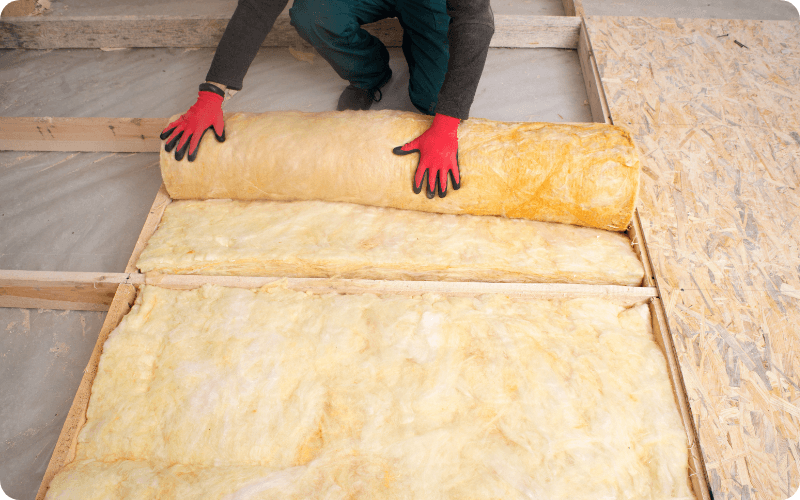
laying loft insulation

5. Check your insulation

Good insulation helps keep the heat you've paid for inside your home.

Check your loft insulation and look into whether your walls or floors could benefit from additional insulation. Depending on your circumstances, you may also be eligible for help towards the cost of energy-efficiency improvements.
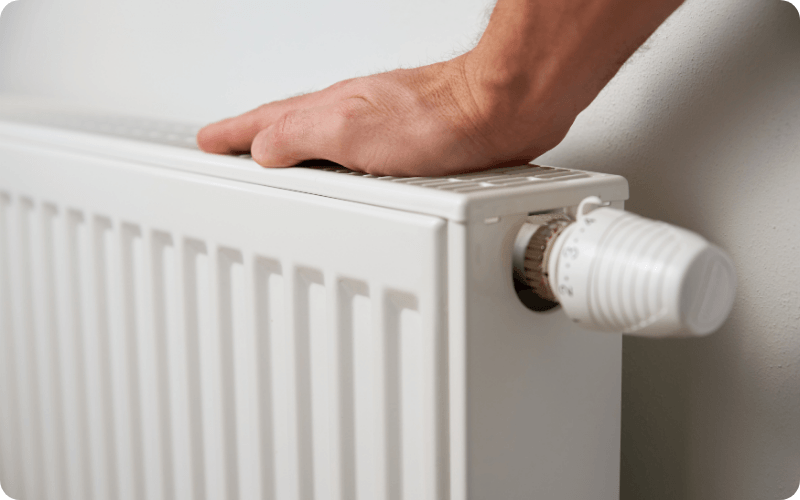
person checking their radiator temperature

6. Bleed your radiators

If your radiators have cold patches at the top while the rest of the radiator is warm, they may need bleeding.

Bleeding your radiators releases trapped air, allowing them to heat up properly and helping your heating system work as it should.
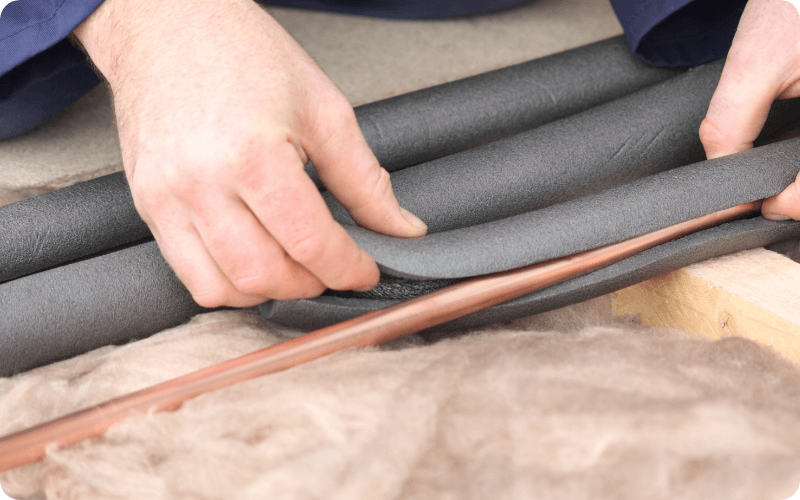
person insulating their pipes

7. Check your pipes

Cold weather can increase the risk of exposed water pipes freezing.

Check pipes in colder areas such as garages, lofts and outside spaces and make sure they're properly insulated. Pipe insulation can also reduce heat loss from hot water pipes.
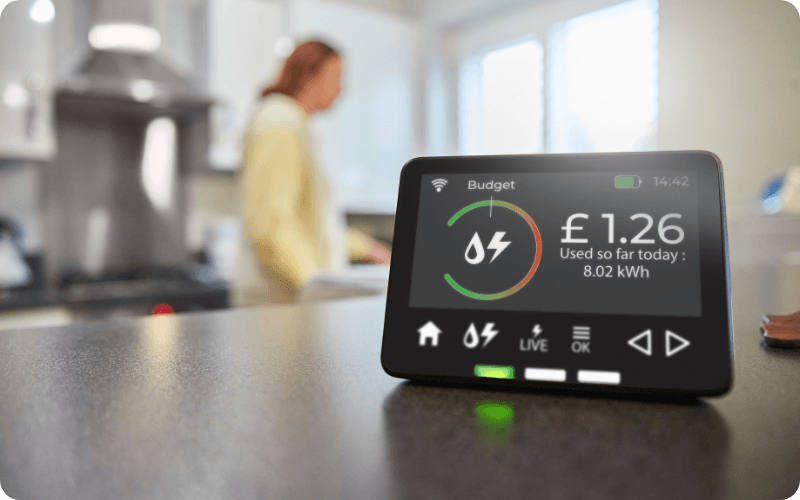
smart meter in a kitchen

8. Make the most of your smart meter

If you have a smart meter, make sure you know how to access your energy usage information.

Seeing how much energy you're using can help you understand where your energy is going and spot changes in your consumption. You may also be able to access tariffs that offer cheaper electricity at certain times, depending on your supplier and meter.
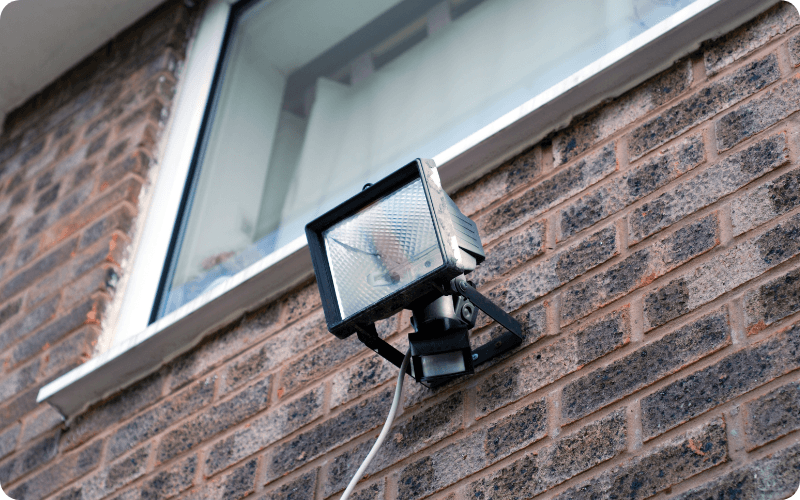
security light outside UK home

9. Get ready for darker days

Winter isn't just about heating.

Check your outdoor lights, replace any bulbs that have stopped working and make sure paths and entrances are safe and well lit. It's also worth checking smoke alarms and carbon monoxide alarms and replacing batteries if needed.

A few simple checks now can help keep your home safe throughout the winter.
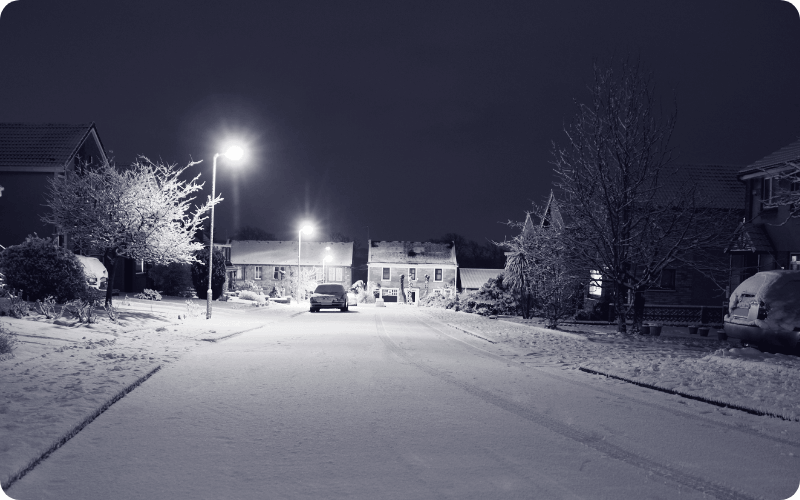
UK street in the winter

10. Plan ahead for colder weather

Don't wait until the first really cold day to think about your energy use.

Take some time now to understand your tariff, check your heating, look around your home for draughts and heat loss, and make any small improvements you can.

A little preparation can make your home feel warmer and more comfortable when winter arrives – and could help you avoid unnecessary energy costs.

Get winter-ready

Winter doesn't have to mean worrying about your energy bills.

By taking a few simple steps now, you can make sure your home and heating are ready for the colder months ahead.

Check your tariff. Check your heating. Check your home. And get ready for winter.