
Energy Prices Are Dropping on April 1st - Here’s How to Make the Most of It
Published date: March 2026
At the end of May, Ofgem, the energy regulator for Great Britain, confirmed that the energy price cap will increase by 13% from 1 July 2026. For the average household paying by Direct Debit, that means annual energy costs rising from £1,641 to £1,862, an increase of around £221 a year.
After the welcome drop in April, this latest increase is an unwelcome reminder of something many of us have experienced over the last few years: energy prices remain vulnerable to events happening far beyond our shores.
So why are prices rising again, and what can we learn from it?
Why the Energy Price Cap is Rising
The latest increase is largely being driven by higher wholesale gas prices. According to Ofgem, ongoing conflict in the Middle East has pushed up global gas costs, which in turn has increased the amount suppliers pay to buy energy for UK homes and businesses.
While the UK has made significant progress in expanding renewable energy generation, gas still plays a major role in both heating our homes and setting electricity prices. That means when global gas markets become unstable, households here in Britain can still feel the impact.
The July increase highlights an important reality: our energy bills remain heavily influenced by international events, even when those events happen thousands of miles away.
What Does This Mean for My Bills?
If you're on a Standard Variable Tariff, the default tariff many households are placed on, your rates will increase from 1 July in line with the new price cap. The exact amount you'll pay depends on where you live and how much energy you use, but Ofgem estimates a typical household will pay around £221 more per year than under the current cap.
If you're already on a fixed tariff, your rates won't automatically change when the price cap rises. However, it's always worth reviewing your options when your current deal is approaching its end date.
The Bigger Question: Why Are We Still So Exposed?
Over the last few years, we've seen energy prices rise because of events ranging from the war in Ukraine to disruption in global gas markets and now instability in the Middle East. Each time, households are reminded how dependent the UK remains on energy sources that are traded on global markets.
The good news is that there is another path.
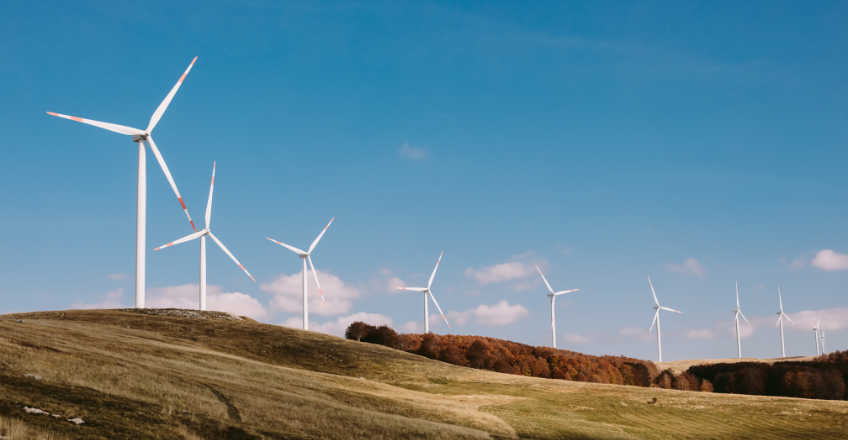
Britain now generates more renewable electricity than ever before. Wind and solar power don't rely on imported fuel, and once built, they aren't affected by global gas prices in the same way. Every new renewable energy project helps reduce our exposure to international market shocks while strengthening our energy security here at home.
In fact, Ofgem has noted that electricity prices are rising much less than gas prices this summer, partly because of the growing contribution of renewable generation to our electricity system.
A Different Approach with Community Power
At EnergyCoop, we believe the future of energy should be cleaner, fairer, and more resilient.
That's why we have the Community Power Tariff, the UK's only tariff powered with 100% community-owned renewable energy. That means by making a simple switch, you can support local renewable energy projects and have transparency on where your energy comes from.
The Community Power Tariff helps fund the development of new community-owned renewable generation across the UK. That means more local wind, solar and clean energy projects, greater energy resilience, and more investment staying within local communities.
Every renewable project built in Britain helps reduce our reliance on imported fossil fuels and strengthens our long-term energy security.
Rising Prices Show Why Energy Independence Matters
The July price cap increase is frustrating, especially after April's reduction. But it also reinforces an important lesson.
The challenge isn't simply today's energy prices. It's the fact that prices can change so quickly when global events disrupt fuel supplies.
The more renewable energy we generate here in the UK, and the more local communities are involved in that generation, the less vulnerable we'll be to those shocks in the future.
That's why the Community Power Tariff isn't just another tariff. It's part of a bigger movement towards a more secure, resilient and sustainable energy system.



Leave us your comment
You need to login to submit a comment. Please click here to log in or register.